
Sunlight spills across terracotta tiles. Warm wood glows beneath arched doorways. Wrought iron accents trace graceful curves above the counter. This is the spanish kitchen at its most inviting.
A spanish style kitchen blends handcrafted details, earthy materials, and Old World architecture into one warm, welcoming space. Your kitchen cabinets anchor that look. They set the tone for every tile, beam, and fixture around them.
Spanish Revival design feels glamorous yet unfussy. It adapts beautifully to traditional homes and modern spanish kitchens alike. You can shape a spanish style kitchen design that honors tradition and serves your daily life. This guide shows you how to blend Old World charm with contemporary function, one cabinet choice at a time.
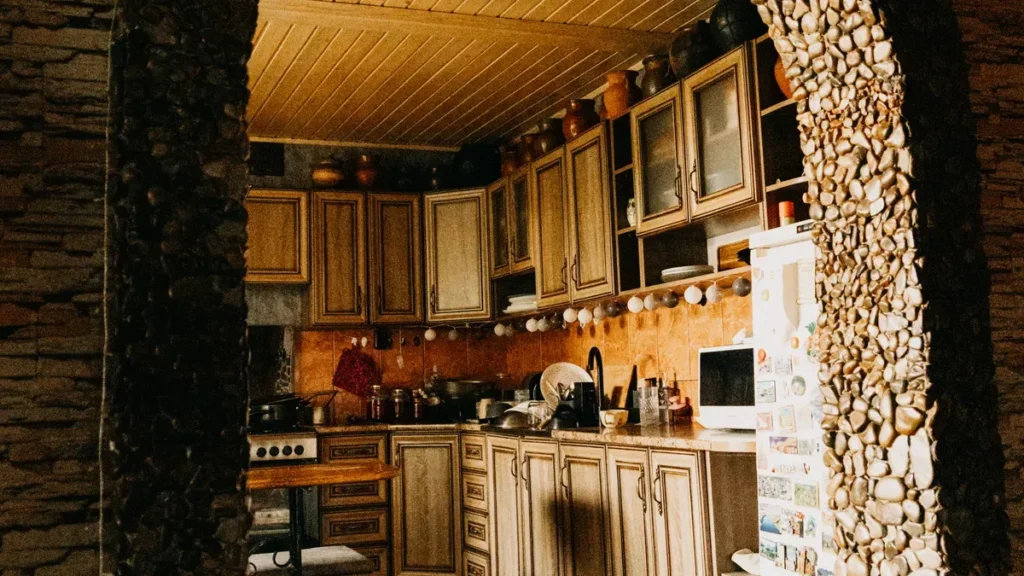
Key Takeaways
- Kitchen cabinets set the tone for your entire Spanish-style kitchen.
- Choose warm materials like wood and earthy colors such as terracotta and olive.
- Balance ornate details with simple designs to avoid a cluttered look.
- Mix old-world charm with modern function for a timeless kitchen.
- Start small with affordable updates like new hardware or a painted cabinet run.
What Makes a Spanish Style Kitchen?
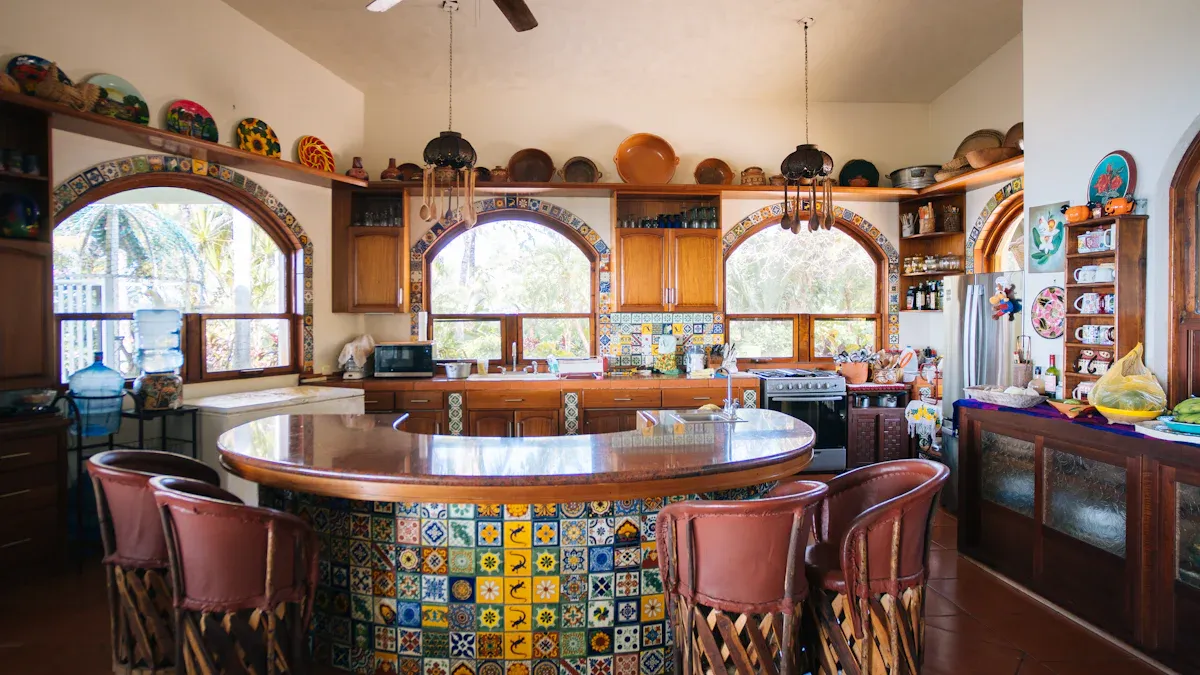
A spanish style kitchen draws you in with warmth. Terracotta tiles underfoot, arched doorways, warm wood cabinetry, wrought iron accents, and handcrafted details all work together. The overall feel is warm, rustic, and inviting. Comfort meets elegance here.
| Characteristic | What You See |
|---|---|
| Materials | Natural wood, wrought iron, handcrafted details |
| Tiles | Colorful backsplash tiles, hand-painted backsplashes, terracotta tiles |
| Color palette | Terracotta, mustard, cream, deep wood, with blue, green, or yellow tile accents |
| Architectural features | Arched doorways and curves |
| Lighting and hardware | Wrought iron fixtures and hardware |
| Accents | Open shelving with clay pots, pottery, and textiles, used sparingly |
Spanish Revival decor feels glamorous yet unfussy. It works in a traditional spanish kitchen and in modern spanish kitchens alike. You balance tradition with modern comfort for a timeless look.
Signature Elements of the Style
Start with hacienda-inspired arches and curves. Add a neutral palette that leans on texture: terra cotta tiles, wrought-iron details, ornamental plates, and vibrant patterns. Use rustic accents sparingly so the room breathes.
Why Cabinets Anchor the Look
Spanish style kitchen cabinets are “the anchor of the design.”
Your kitchen cabinets hold the entire aesthetic together. Warm painted cabinetry in cream, sand, ochre, or muted clay tones does more for the look than ornate carving. The best spanish style cabinets stay simple, durable, and warm in tone. The style comes from the finish palette, not elaborate detailing.
Door style matters too. Arched or raised panel fronts, chunky frames, and visible joinery signal Spanish influence. Walnut or stained oak brings grounded warmth. Wrought iron or dark bronze pulls reinforce tradition. A furniture-style island or freestanding hutch keeps craftsmanship in focus. Custom cabinetry can carry the entire look while meeting your storage needs.
Idea 1: Rustic Reclaimed Wood Cabinets
Reclaimed wood gives your spanish kitchen a soul you cannot fake. Each plank comes from old barns, factories, or warehouses. Every board carries its own story. Weathered grain, knots, and small imperfections add depth and warmth to the room. This rustic character makes reclaimed wood a standout choice for kitchen cabinets.
The material also earns its place on sustainability grounds. Reusing old timber keeps large volumes of material out of landfills. It lowers demand for newly harvested wood and supports a circular approach to sourcing. Older timber from mature trees often proves stronger and denser than modern alternatives. One trade-off deserves your attention: reclaimed stock can cost more due to processing and may be harder to find depending on your location.
Weathered Textures and Natural Grain
Handcrafted details turn a plain cabinet run into a focal point. Visible joinery, chunky frames, and a hand-rubbed finish all celebrate the grain instead of hiding it. Pair these cabinets with wrought iron pulls and a hand-painted backsplash. The texture does the talking.
Light vs. Dark Wood Tones
Light woods such as pine or ash keep the space airy and bright. They suit smaller kitchens and rooms with limited daylight. Dark tones like walnut or stained oak bring drama and grounded warmth. Either direction works for traditional spanish style cabinets. Many designers mix both: light uppers over a dark island, or the reverse. This contrast builds visual interest and keeps the palette balanced. Whichever tone you choose, let the natural grain show through. That honesty is what makes spanish style cabinets feel authentic.
Idea 2: Painted Cabinets in Earth Tones
Paint gives your kitchen cabinets a fresh face and a flexible palette. Most modern spanish kitchens lean on white or ivory doors for a bright, clean feel. This choice keeps the room light and lets tile and wood accents shine.
White and Ivory for a Bright Feel
White surfaces reflect natural and artificial light. They brighten dark corners and make even small kitchens feel more spacious and airy. This reflective quality creates an optical illusion of expanded space, so visibility and function improve too. Pair white doors with glass elements and light ceilings to amplify the effect.
Ivory and warm white shades behave differently across lighting conditions. In rooms with abundant sunlight, creamy tones create a cozy, welcoming atmosphere and stop the space from feeling stark. In rooms with limited natural light, warm white doors add brightness and compensate for the dim conditions. Soft reflective whites with satin or glossy finishes bounce light around the room and make it feel more open.
Terracotta, Olive, and Ochre Palettes
Distressed and whitewashed finishes soften painted doors and add handcrafted character. A whitewashed glaze settles into the grain and leaves a lived-in patina. This treatment suits a rustic terracotta spanish kitchen beautifully.
Warm earth tones deepen the spanish character of your space. Terracotta brings sun-baked warmth. Olive green echoes garden foliage and pairs well with wood counters. Ochre adds golden energy without shouting. Use these shades on a modern spanish style kitchen island or a single run of spanish-style cabinets to keep the room balanced. A muted clay finish on spanish style cabinets grounds the palette and connects the doors to the floor tiles. In a modern spanish kitchen, one earthy accent wall of cabinets often carries the whole scheme. Choose a warm neutral base for the rest of the kitchen and let the earth tone lead.
Idea 3: Arched Cabinet Doors and Open Shelving
The Arch as a Signature Detail
Arched cabinet doors bring the romance of a courtyard doorway right into your kitchen. The curve softens a wall of straight lines. It echoes the arched passages and niches found throughout Spanish architecture. You get instant architectural charm without moving a single wall.
Try arched uppers above the counter and let the curve repeat across the run. A tall arched pantry door makes a lovely focal point. Pair the silhouette with simple hardware so the shape stays the star. These spanish style cabinets feel graceful and grounded at the same time.
Balancing Open and Closed Storage
Open shelving lets your pottery, clay pots, and colorful dishes breathe. Closed cabinets hide the clutter and keep daily items within easy reach. Aim for a generous share of closed storage and treat open shelves as display space.
Place open shelves near the sink or range, where you reach for items most. Keep closed cabinets for bulky goods and less attractive tools. Style the shelves with a few large pieces instead of many small ones. This balance keeps your spanish kitchen calm and functional. In modern spanish kitchens, a single open shelf above the sink often adds just enough warmth.
Idea 4: Ornate Wrought Iron Hardware
Small details carry big Old World impact. Hand-forged pulls and knobs turn plain doors into jewelry for your kitchen. Each piece shows the hammer marks of the maker. That texture adds authenticity you cannot get from mass-produced metal.
Hand-Forged Pulls and Knobs
Choose pulls with twisted or floral designs. These patterns stand out beautifully on light-colored cabinets. They also coordinate with Spanish-style lighting and barstools for a unified room. Wrought iron and bronze offer strength and a classic, rustic feel. Both resist rust, so they hold up in a busy kitchen.
| Attribute | Common Options | Why It Works |
|---|---|---|
| Patterns | Twisted designs; floral designs | Stand out on light cabinets and coordinate with Spanish lighting and barstools |
| Finishes | Vintage; handcrafted; hammered textures; antique looks | Add old-world charm and pair well with terracotta, stone, and wooden furniture |
| Material | Wrought iron and bronze | Strong, classic, rustic, and rust-proof for busy kitchens |
Hinges, Straps, and Decorative Accents
Complete the look with matching hinges and straps. Exposed hinges suit a rustic Spanish kitchen with visible joinery. Decorative straps across pantry doors add weight and drama. Antique finishes tie these accents to your other metals.
Keep the palette consistent. Match your drawer pulls to your cabinet hinges and your light fixtures. This repetition makes the whole kitchen feel intentional. Let one or two statement pieces lead, such as a long strap hinge on a tall pantry. Simple knobs elsewhere keep the room calm. These touches give your spanish style cabinets a handcrafted soulwithout overwhelming the space.
Idea 5: Carved Cabinet Door Details
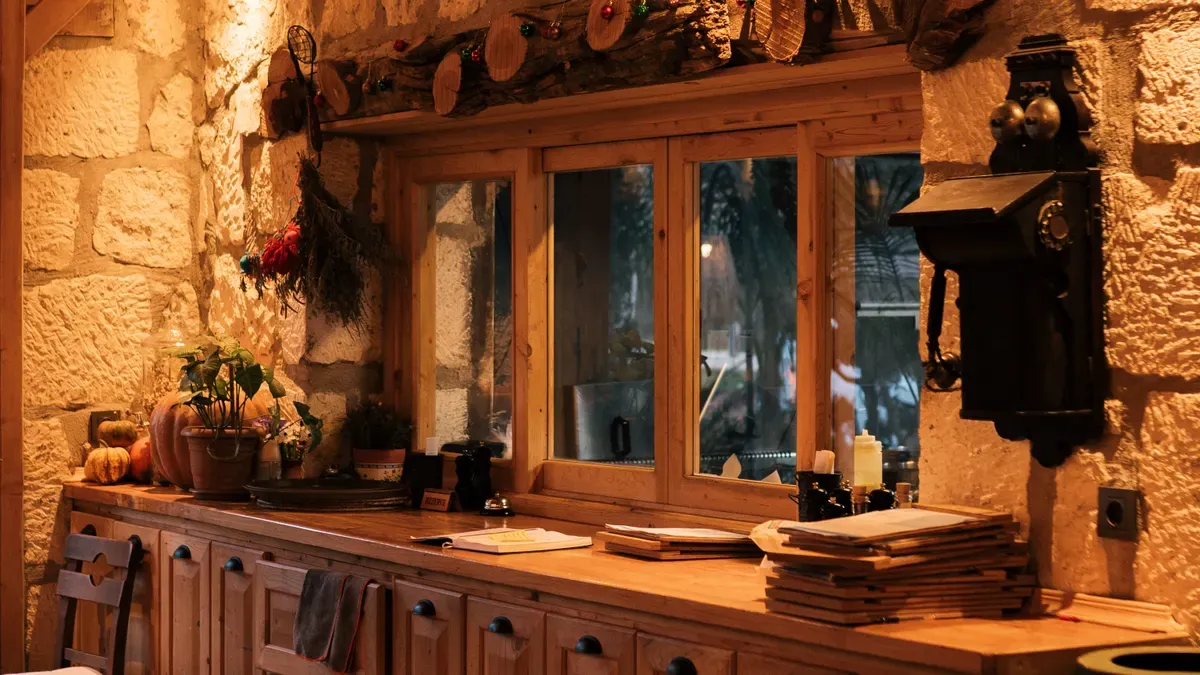
Carving brings the hand of the maker into your kitchen. Spanish craftsmen have shaped wood with geometric and floral patterns for centuries. You can borrow that tradition on a single door or a whole run of kitchen cabinets.
Geometric and Floral Motifs
Geometric motifs echo the tilework and ironwork of southern Spain. Look for repeating diamonds, quatrefoils, and interlocking stars. These shapes feel orderly and calm. They suit a modern spanish kitchen especially well.
Floral motifs carry a softer, garden-like charm. Vines, rosettes, and stylized leaves recall carved church doors and courtyard gates. Place a floral medallion on a pantry door and let it stand alone. One focal point reads as intentional. A wall of busy carving reads as noise.
You can also mix the two. A geometric border frames a floral center panel beautifully. This pairing gives your spanish style cabinets a layered, collected feel.
Carved Panel and Trim Styles
Raised panels offer the classic route. The center panel lifts above the frame and catches light and shadow. A simple bead or chamfer along the edge adds definition without fuss.
Applied trim works well on flat doors. You add molding to a plain front and create the look of a panel. This approach costs less than full carving and suits painted finishes. Corbels, rosettes, and carved feet finish the picture on islands and hutches.
Keep the carving shallow and the pattern sparse. Deep relief collects dust and can overwhelm a small room. A light touch lets the grain and finish lead. These handcrafted spanish style cabinets reward a close look, and they never shout for attention.
Idea 6: Two-Tone Cabinet Combinations
Two-tone cabinetry gives your spanish kitchen a collected, layered look. You pair two finishes on purpose. The contrast draws the eye and breaks up a long wall of storage. This approach also lets you spend where it shows and save where it hides.
Wood Uppers with Painted Bases
Natural wood cabinets on top and painted cabinets below create instant visual interest. The wood brings grain and warmth to eye level. The painted base feels lighter and grounds the room without heaviness. This pairing suits a modern spanish style kitchen especially well.
Try warm oak uppers over cream bases for a soft, airy result. Reverse the scheme with painted uppers and a wood island for a bolder statement. Keep the hardware consistent across both finishes. Matching pulls tie the two halves into one calm composition. Your kitchen cabinets then read as a single design, not two separate runs.
Mixing Warm and Cool Earth Tones
Warm and cool earth tones can live together beautifully. Warm shades like terracotta, ochre, and clay bring sun-baked energy. Cool tones like olive, sage, and muted blue add calm contrast. The trick is balance. Let one family lead and use the other as an accent.
A warm clay base with soft sage uppers feels fresh and grounded. For a more traditional spanish style kitchen, keep the cool tone on a small run or an island. Repeat the accent color in your tile or textiles. This repetition makes the pairing feel intentional. These spanish-style cabinets reward a careful eye, and the result feels collected rather than matched. In modern spanish kitchens, a restrained two-tone scheme often carries the whole design.
Idea 7: Glass-Front Cabinets with Leaded Panels
Glass-front cabinets turn everyday storage into a display. You show off handcrafted pottery, colorful plates, and glazed bowls behind clear panes. Each shelf becomes a small gallery. The glass adds sparkle and depth to your spanish kitchen without adding visual weight.
Choose pieces you love to look at. Group them by color or shape. A row of terracotta pitchers or a stack of blue-and-white plates tells a story. This approach lets your kitchen cabinets work as decor, not just storage.
Displaying Pottery and Dishware
Start with the items you reach for often. Everyday plates and mugs deserve a beautiful home. Place them at eye level behind the glass. Save the top shelves for special pieces you use less often.
Mix textures for interest. Rough clay sits well beside smooth glaze. Wrought iron accents on the frame tie the display to the rest of the room. Keep the arrangement loose and natural. A perfect grid can feel stiff in a spanish style kitchen.
Leaded and Textured Glass Options
Leaded glass brings Old World character to spanish style cabinets. Thin metal lines divide the pane into diamonds or squares. The pattern echoes windowpanes in historic Spanish homes. Textured glass offers a softer route. Rippled or seeded surfaces blur the contents and hide everyday clutter.
Both options let light pass through while adding pattern. You get the charm of glass without a perfect showroom look. Pair leaded panes with dark iron hardware for drama. Choose a subtle texture for a calmer, modern spanish feel. Either way, these spanish-style cabinets reward a close look and keep your kitchen feeling warm and collected.
Idea 8: Built-In Cabinets with Alcoves
Recessed storage turns a plain wall into architecture. Spanish homes have used niches for centuries to hold candles, pottery, and saints. You can borrow that idea for your kitchen cabinets. A built-in alcove sits back into the wall and frames what it holds. The depth adds shadow and drama. It also frees up floor space in a busy spanish kitchen.
Plan an alcove around the items you want to show. A deep niche suits a large clay pot or a bread basket. A shallow one works for spices or small bowls. Line the back with tile or warm plaster. Add a small shelf to divide the space. These built-in cabinets feel like part of the house, not an afterthought.
Recessed Storage with Architectural Charm
An alcove mimics the arched niches of Spanish courtyards. The recess creates a natural frame. Your eye lands on the display inside. This trick adds charm without extra furniture. It also keeps counters clear for real work.
Use an alcove beside the range for oils and tools. Place one near the sink for soap and towels. In a modern spanish style kitchen, a single deep niche can replace a bulky hutch. The wall stays clean and the storage stays close.
Plate Racks and Display Niches
Plate racks combine charm with function. Vertical grooves hold plates upright and show off their pattern. You get easy access and a lovely display at once. A plate rack above the sink keeps everyday dishes within reach.
Display niches work the same way for pottery and glass. Group pieces by color or size. Keep the arrangement loose and natural. These spanish-style cabinets reward a close look. They turn your kitchen cabinets into a gallery of the things you love.
Idea 9: Tall Pantry Cabinets with Iron Grilles
Tall pantry cabinets with iron grille doors make a dramatic statement in any spanish kitchen. The grille turns plain storage into a piece of architecture. You get the height and presence of a built-in hutch without the bulk. The ironwork adds shadow and pattern to a tall wall. This feature suits a traditional spanish style kitchen beautifully. It also brings warmth to a modern space.
Ventilated Doors for Old-World Character
Iron grille doors let air move through your pantry. This airflow keeps dry goods fresh and stops stale odors from building up. The open pattern also lets you see what sits inside. You can spot a jar of spices or a stack of bowls at a glance. That visibility saves time during busy meal prep.
The grille itself carries Old World charm. Hand-forged bars and scrollwork recall courtyard gates and window guards. Pair the doors with warm wood shelves and clay storage jars. The result feels collected and authentic. Your kitchen cabinets then work as both storage and decor.
Grille Patterns and Finishes
Choose a pattern that matches the mood of your room. Simple vertical bars suit a clean, modern spanish style kitchen. Scrollwork and diamond motifs feel more traditional. A grid of small squares adds rhythm without fuss. Let one tall pantry carry the pattern and keep nearby cabinets plain.
Finish matters just as much. Dark bronze and black iron bring drama and depth. A hammered texture catches light and shows the maker’s hand. Antique finishes soften the look and pair well with terracotta and stone. Match the grille finish to your drawer pulls and light fixtures. This repetition ties the room together. These spanish-style cabinets reward a close look and keep your spanish kitchen feeling warm and collected.
Idea 10: Modern Spanish Style Kitchen Design
Spanish Revival style adapts beautifully to contemporary spaces. Clean-lined doors let the warmth of the tradition shine through without heavy ornament. You keep the soul of a spanish kitchen and gain a calm, current look.
Clean-Lined Cabinets for a Modern Spanish Style Kitchen
Flat-panel doors suit a minimal Mediterranean look when you pair them with natural wood texture. Shaker doors balance tradition and simplicity. They bridge classic and contemporary design with ease. This is the heart of a modern spanish style kitchen: honest lines, warm materials, and nothing extra.
| Cabinet Style | Role in Modern Spanish Design |
|---|---|
| Flat-panel cabinets | Ideal for a minimal Mediterranean look when paired with natural wood texture |
| Shaker cabinets | Balance tradition and simplicity, bridging classic and contemporary design |
| Natural wood cabinets (oak, walnut, alder) | Enhance authenticity and warmth |
| Painted cabinets (sand, mushroom, taupe, antique white) | Muted shades work best; high-gloss lacquer should be avoided as it removes the handcrafted feel |
HenLeap Home offers modern and shaker kitchen cabinets that blend classic design with modern function. Soft-close doors and drawers keep the room quiet and refined. You get Old World character with everyday ease.
Warm Woods for Contemporary Spaces
Natural materials carry authenticity in a contemporary spanish style kitchen. Stone countertops, warm wood cabinets, clay tiles, and plaster walls all reinforce the look. Synthetic glossy finishes break the Spanish aesthetic, so choose matte surfaces instead. Limewash walls, handmade tiles, and brushed metals add depth without clutter.
Warm neutral tones form your foundation: cream, sand, taupe, terracotta, and muted browns. Black or bronze metal accents provide contrast and visual structure. Wrought iron lighting, cabinet handles, and faucets all earn their place.
Try wood flat-panel cabinets with a Spanish-inspired backsplash. Pair white flat-panel doors with wood-toned finishes for rustic simplicity. Set wood uppers over black lowers for a minimalist look. Each combination keeps your spanish style kitchen cabinets feeling warm and current. A modern spanish kitchen remodel rewards this restraint, and your spanish style kitchen design stays timeless.
Idea 11: Cabinets with Decorative Tile Inserts
Tile inserts turn a cabinet door into a small work of art. You frame a hand-painted tile inside the door panel and let it glow against warm wood or painted trim. Each piece carries brushstrokes, glaze, and slight variation. That imperfection is the charm. A row of these inserts across your kitchen cabinets brings authentic color and pattern to the room. The effect feels collected, not manufactured.
Hand-Painted Tile Accents
Hand-painted spanish style cabinets often feature a single tile centered in each upper door. You can also run a narrow band of tiles along a drawer front or a toe kick. Choose motifs that echo the rest of the room: vines, rosettes, or simple geometric stars. A colorful talavera tile spanish kitchen pairs blue, yellow, and green glazes with cream cabinetry beautifully. Keep the surrounding door simple so the tile leads the eye.
These handcrafted spanish style cabinets reward restraint. One accent per door reads as intentional. A full wall of busy pattern reads as noise. Let the glaze catch the light and add depth to your spanish kitchen.
Coordinating Cabinets with Backsplash Tile
Your cabinet tile and backsplash should feel related, not identical. Pull one color from the backsplash and repeat it in the door insert. Match the tile size or the motif instead of the exact pattern. This approach creates a cohesive spanish style kitchen without a matched set.
Use a quieter backsplash behind bold door inserts. Reverse the logic when the backsplash carries the drama. These spanish-style cabinets then support the wall instead of competing with it. Step back and check the balance from the doorway. Your kitchen should feel warm and layered, never crowded.
Cabinet Materials and Hardware for Kitchen Cabinets
Your material choice shapes how your spanish style kitchen ages. Wood and paint each bring distinct strengths. Pick the one that matches your daily life and your design vision.
Choosing Woods and Painted Finishes
Stained wood highlights natural grain and hides minor blemishes well. Light scratches blend into the tone variation. Painted doors offer more color options and easy touch-ups. A worn spot refreshes with a dab of original paint.
Durability depends on the topcoat. Factory finishes outlast site-applied paint by a wide margin. A quality conversion varnish or polyurethane protects against moisture and daily wear. Sheen matters too. Semi-gloss and satin paints resist stains and scratches better than matte.
| Aspect | Painted Cabinets | Natural Wood Cabinets |
|---|---|---|
| Wear | Chips in high-touch areas; easy touch-up | Grain hides light scratches; deep marks stay |
| Long-term look | Renewed by repainting | Develops patina or uneven fading |
| Cleaning | Soapy cloth wipes clean | Mild soap; may need periodic oiling |
Quality construction matters as much as the finish. HenLeap Home builds reinforced cabinet construction and durable dovetail drawer construction into every unit. These details keep your spanish style kitchen cabinets solid for years.
Selecting Authentic Hardware
Hardware completes the spanish look. Choose hand-forged iron pulls with twisted or floral patterns. Dark bronze and black finishes bring depth. Match your hinges, straps, and light fixtures for a unified room. Keep one statement piece, such as a long strap hinge, and let simple knobs elsewhere stay calm. These small details give your kitchen cabinets a handcrafted soul.
Color Palettes for a Spanish Style Kitchen
Color sets the mood before you notice a single detail. Choose your palette with care, and every surface in the room will work in harmony.
Warm Neutrals and Earth Tones
Warm neutrals give your spanish style kitchen a welcoming base. Cream, sand, mushroom, and soft clay reflect light and keep the room open. These shades let wood grain and tile pattern lead the eye. They also forgive everyday wear, so your kitchen cabinets stay handsome for years.
Earth tones deepen that warmth. Terracotta, ochre, and muted brown echo sun-baked walls and clay pots. Use them on a single run of cabinets or a kitchen island. Keep the rest of the palette quiet, and the room feels grounded rather than heavy. This approach suits a contemporary spanish kitchen beautifully.
Bold Accents and Contrast Colors
Bold accents add personality without overwhelming the space. Pull one vivid hue from your tile or textiles and repeat it in a small dose. A deep blue island or a green pantry door can carry the whole scheme. Pair it with warm neutrals, and the contrast feels intentional.
Contrast colors work best in measured amounts. Let dark bronze hardware or black iron lighting frame your spanish style cabinets. Repeat the accent two or three times across the room. This rhythm ties the design together. In a modern spanish style kitchen, one strong color often does more than five.
Pairing Kitchen Cabinets with Surfaces
Your cabinets set the tone, and the surfaces around them carry it through the room. Choose countertops and backsplashes that echo the warmth of your spanish style kitchen. Natural materials create authenticity here. Stone counters, warm wood, clay tiles, and plaster walls all reinforce the look. Skip synthetic glossy finishes, because they break the Spanish aesthetic.
Countertops and Backsplash Combinations
Start with a counter that feels honest and grounded. Marble with subtle veining brings elegance. Warm quartz, honed granite, and concrete surfaces all suit spanish style cabinets beautifully. One homeowner chose white quartz with dramatic veining for her Spanish-style remodel. She loved marble’s beauty but wanted to avoid its maintenance demands. She notes that many quartz options now mimic marble convincingly, so you get the look without the upkeep.
The homeowner chose white quartz countertops with dramatic veining for their Spanish-style remodel, noting that while marble is beautiful, she wanted to avoid its maintenance demands. She highlights that many quartz options now convincingly mimic marble, making quartz a practical alternative for achieving the look without the upkeep.
Element Recommended Materials Countertops Marble with subtle veining; warm quartz; honed granite; concrete surfaces Backsplash Hand-painted ceramic tiles; Zellige tiles; patterned Mediterranean tiles; full-height stone backsplash
Your backsplash often becomes the focal point, not the cabinets. Textured surfaces pair best with durable counters. Hand-painted ceramic and Zellige tiles add color and handcrafted depth to your spanish kitchen.
Flooring That Complements Cabinets
Terracotta flooring ties a spanish style kitchen together like nothing else. The warm clay tones pick up the earth palette in your kitchen cabinets. Saltillo-style tiles bring rustic character underfoot. Seal them well, and they handle daily traffic with grace.
Other floors work too. Warm wood planks echo wood cabinets and soften the room. Patterned cement tiles add color without overwhelming the space. Keep the floor tone close to your spanish-style cabinets for a calm, cohesive result. Let one surface lead, and the rest will follow.
Spanish Style Kitchen Design Mistakes to Avoid
You can choose beautiful kitchen cabinets and still miss the mark. A few common missteps undo even the best choices. Learn them now, and your spanish style kitchen will reward you for years.
Overloading on Ornamentation
More detail does not mean more charm. A room packed with carving, tile, iron, and pattern starts to feel busy and dated. Treat spanish style as a lasting tradition, not a passing trend. Build around proportion, texture, and permanence instead of surface decoration.
Keep your palette disciplined. Limit the room to two dominant colors plus one accent. Let bold tile lead, and keep the walls neutral. Skip plastic or ultra-glossy laminates in favor of honest solid wood. Layer texture with care: lime-washed walls, handmade tile, wood beams, and natural stone each earn their place. Your spanish style cabinets should stay simple and warm in tone. Let one or two features shine, and give the rest of the room room to breathe.
Ignoring Lighting and Proportion
Lighting can make or break a spanish kitchen. Cold LED bulbs above 4000K wash out warm wood and clay tones. Choose warm, soft, atmospheric light instead. It flatters your cabinets and makes the room feel inviting after dark.
Proportion matters just as much. Oversized islands crowd small rooms. Tall cabinets can dwarf a low ceiling. Designer Jasmine Roth warns against ignoring a home’s architectural style. An ultra-modern kitchen inside a Spanish-style home, she notes, “just won’t feel right.” Lean into the home’s overall aesthetic and keep the kitchen consistent with adjacent spaces. Good spanish kitchen design respects the architecture around it. Check your plan from the doorway before you commit.
Small-Space and Budget Kitchen Design Ideas
Maximizing Impact in Compact Kitchens
A small kitchen can still feel warm and generous. Start with lighter cabinet colors. Cream, sand, and soft white doors bounce light around the room and make the walls feel farther apart. These shades suit compact spanish style kitchen cabinets beautifully.
Open shelving is your next ally. Remove a few upper doors and let clay pots and colorful plates show. The open space adds depth and keeps the room from feeling boxed in. Choose one wall for display and keep the rest closed for hidden storage. A tall, narrow pantry with an iron grille adds height without eating floor space. These kitchen design ideas cost little and change everything.
Affordable Ways to Get the Look
You do not need a full remodel to capture this style. Swap plain knobs for hand-forged iron pulls. Paint one run of cabinets in a warm earth tone. Add a single hand-painted tile behind the range. Each small move builds the spanish mood without a big bill.
HenLeap Home makes premium cabinetry accessible with affordable options for every budget. Their 2D and 3D virtual design service lets you plan your spanish style kitchen before you spend a dollar. You see the layout, the finishes, and the hardware in advance. That preview helps you avoid costly mistakes and commit with confidence. A well-planned kitchen always beats a rushed one.
Your kitchen cabinets anchor the whole look of a spanish style kitchen. They set the tone for every tile, beam, and iron detail. This guide covered rustic reclaimed wood, painted earth tones, arched doors, and modern clean-lined designs. You now hold plenty of kitchen design ideas.
Start small. Swap plain knobs for hand-forged iron pulls. Paint one run of spanish style cabinets in warm clay. These cabinets reward a bold choice, and your spanish kitchen grows more personal with each change.
Ready for more? HenLeap Home offers quality spanish style kitchen cabinets and friendly support. Explore their spanish-style cabinets, then bring your spanish vision to life in your kitchen.
FAQ
What defines a Spanish style kitchen?
Warm wood, terracotta tiles, arched shapes, and wrought iron details set the mood. Handcrafted touches matter more than perfect symmetry. You build the look around earthy color and honest materials. Your cabinets carry that warmth across the whole room.
Which cabinet color suits a Spanish kitchen best?
Cream, sand, and soft white keep the space bright and open. Terracotta, olive, and ochre add deeper character. Pick one warm neutral as your base. Then let a single earth tone lead on an island or one run of cabinets.
Can I use Spanish style cabinets in a modern kitchen?
Yes. Flat-panel and shaker doors pair beautifully with warm wood and matte finishes. Skip high-gloss surfaces. Keep the hardware simple and the palette muted. You get Old World warmth with clean, current lines.
How do I start a Spanish kitchen remodel on a budget?
Begin with small changes. Swap plain knobs for hand-forged iron pulls. Paint one run of cabinets in warm clay. Add a hand-painted tile behind the range. Each step builds the spanish mood without a full remodel.